DOWNTOWN HISTORY

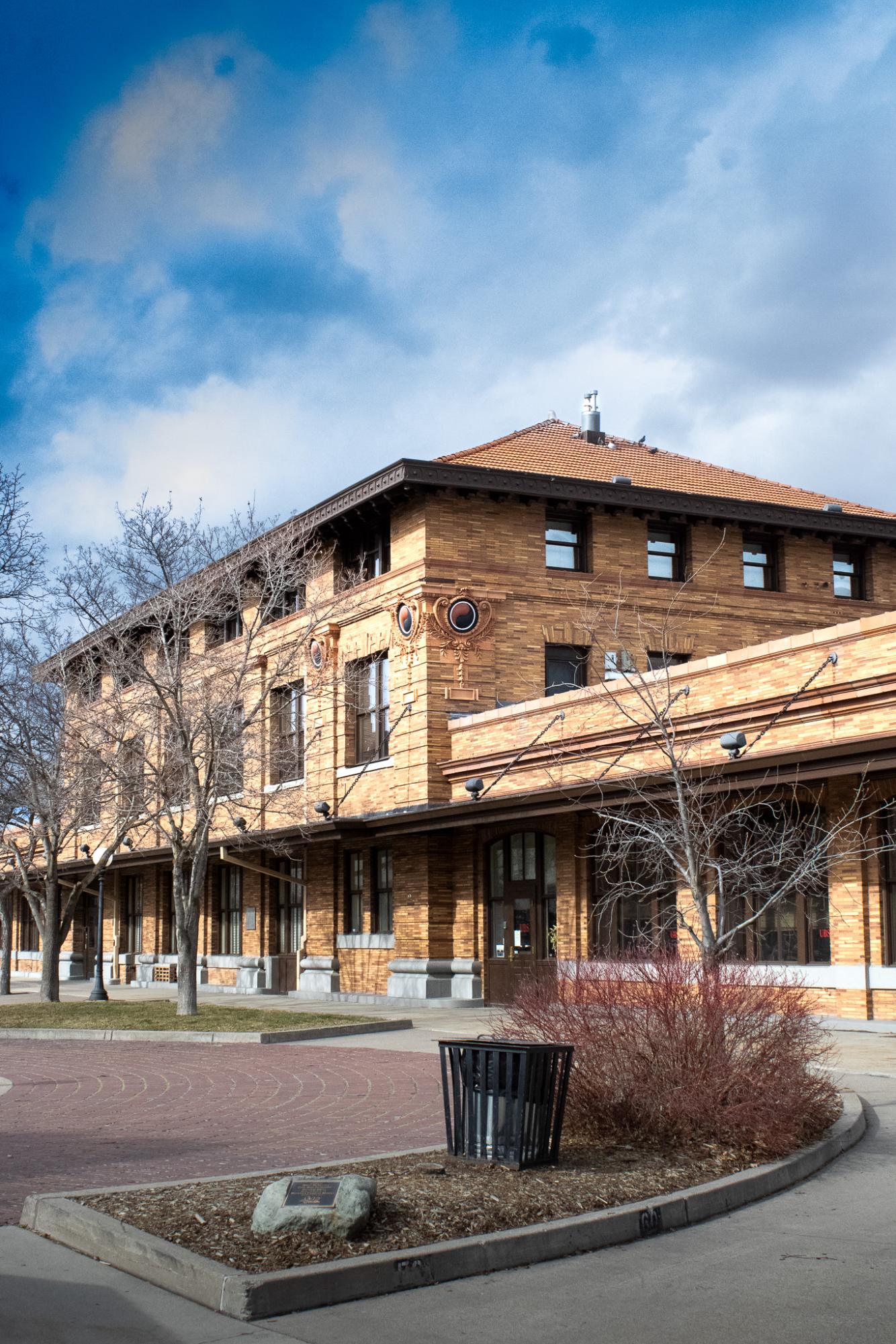
Located at Railroad and Higgins Avenue, the Northern Pacific Railroad Depot was built in 1883 by the Higgins brothers and was used for minor trade and transportation. It provided lumber and other resources for the development of Missoula. The Higgins brothers wanted to turn it over to the Northern Pacific officials for building costs but just after completion in 1896, arson reduced the building to ruins. Several years later, the Northern Pacific accepted and rebuilt it into what we see now, which opened in 1901. Now the building is a vacant property but sometimes hosts small local events.
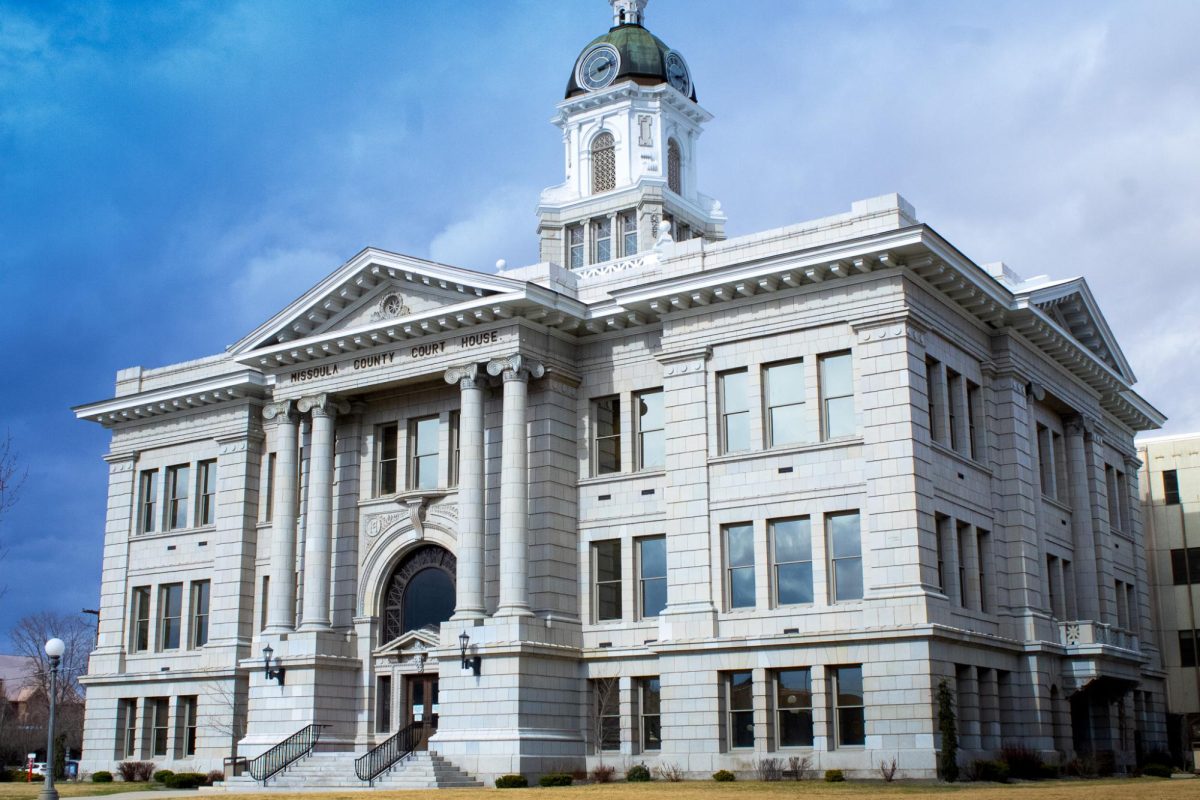
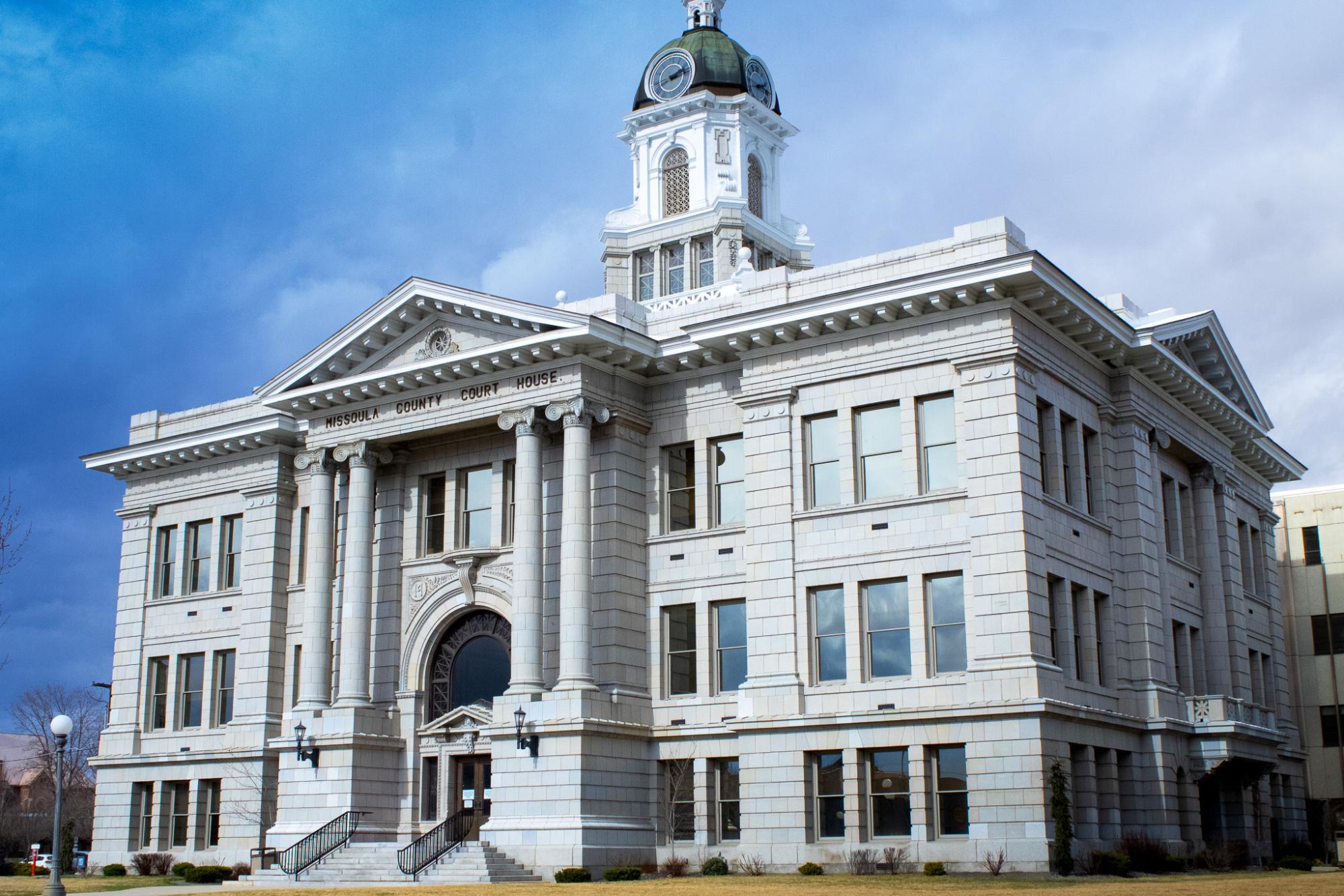
Located at 220 West Broadway Street, the Missoula County Courthouse was constructed from 1908-1910 and was designed by A. J. Gibson. This is one of the oldest subdivisions in Montana. In 1907, the original courthouse had gotten too small and thus the side building was constructed, becoming the courthouse we see today. It has helped with agriculture throughout Montana and helped small businesses succeed.
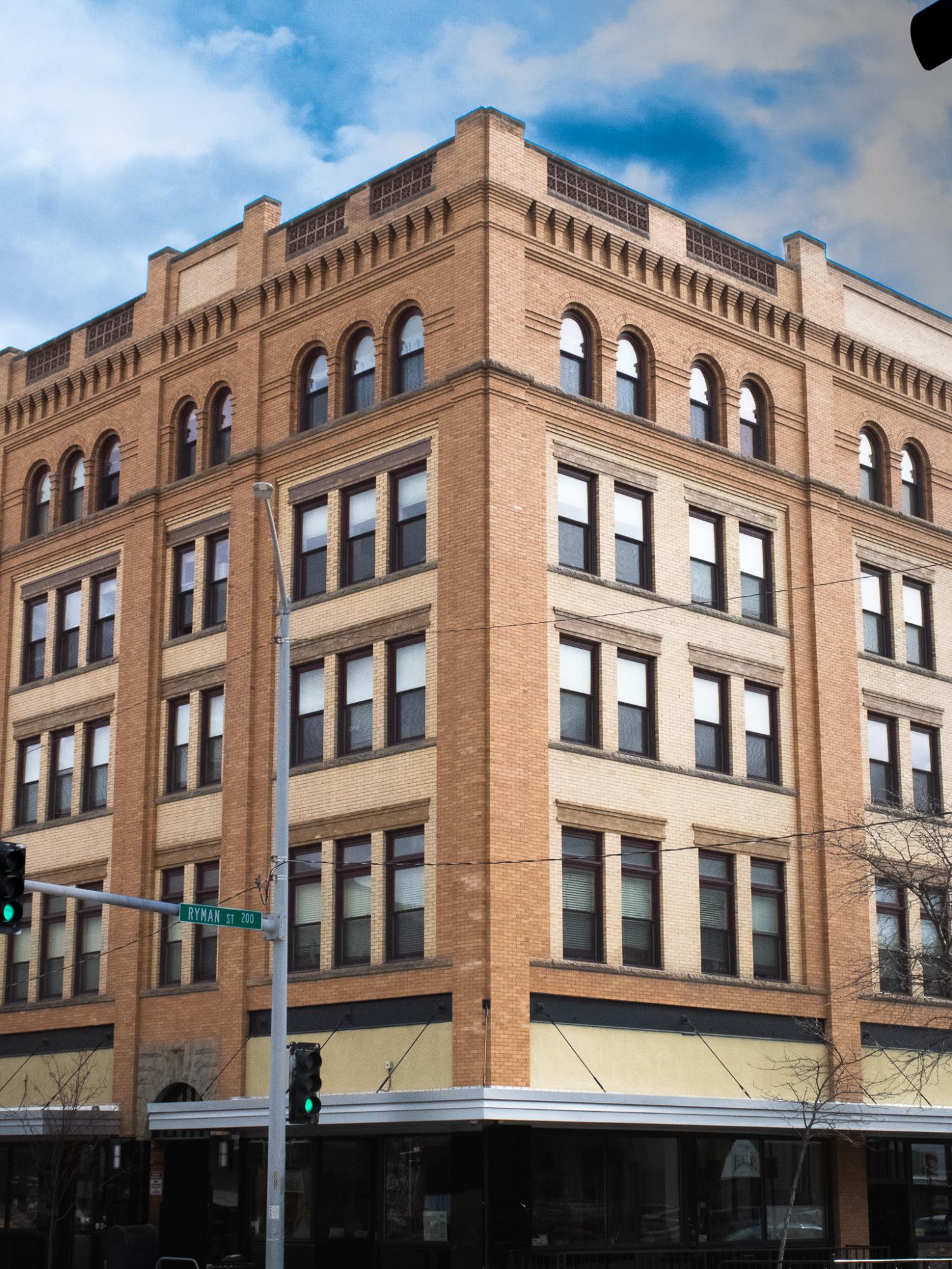
Located at 147 W Broadway, the palace hotel was built in 1909 and was originally named the Savoy Hotel until 1911. This is when the Palace Hotel name came into play. Since railroad transportation was getting more frequent through Missoula, this was the perfect spot. It was a good stop for people and workers traveling through Missoula. Throughout this area, railroad passenger transportation diminished. This was short lived though as auto transportation became more common. The Palace Hotel was placed right on Main Street, growing further. It was successful until 1980, when it was forced to close its doors due to economic reasons.
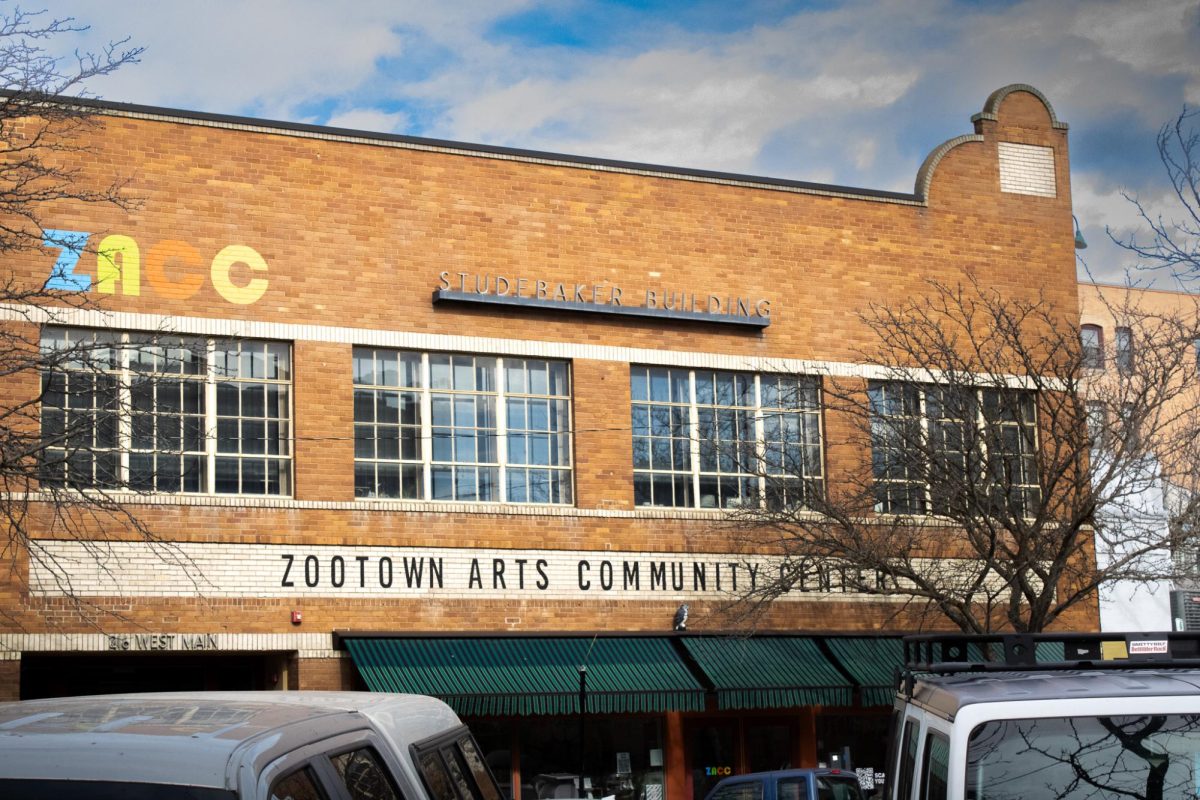
Located at 216 W Main Street, the Studebaker Building was constructed during 1918-1921 as an automobile dealership and garage. Since this period of history was so important for the automotive industry, this building was perfect. Many stored their cars in garages like this to keep maintenance during winter. These spaces were usually rented for $10-$15 per month and often included driving lessons. Their maintenance of batteries and heating/cooling systems, which at the time were not very advanced, increased demand for these services. The Studebaker Building is a great example of this period and shows the change in design. Overall, this building couldn’t have been more useful during this time, and now it is a local landmark in this town’s history.