WHY I LOVE PHOTOGRAPHY

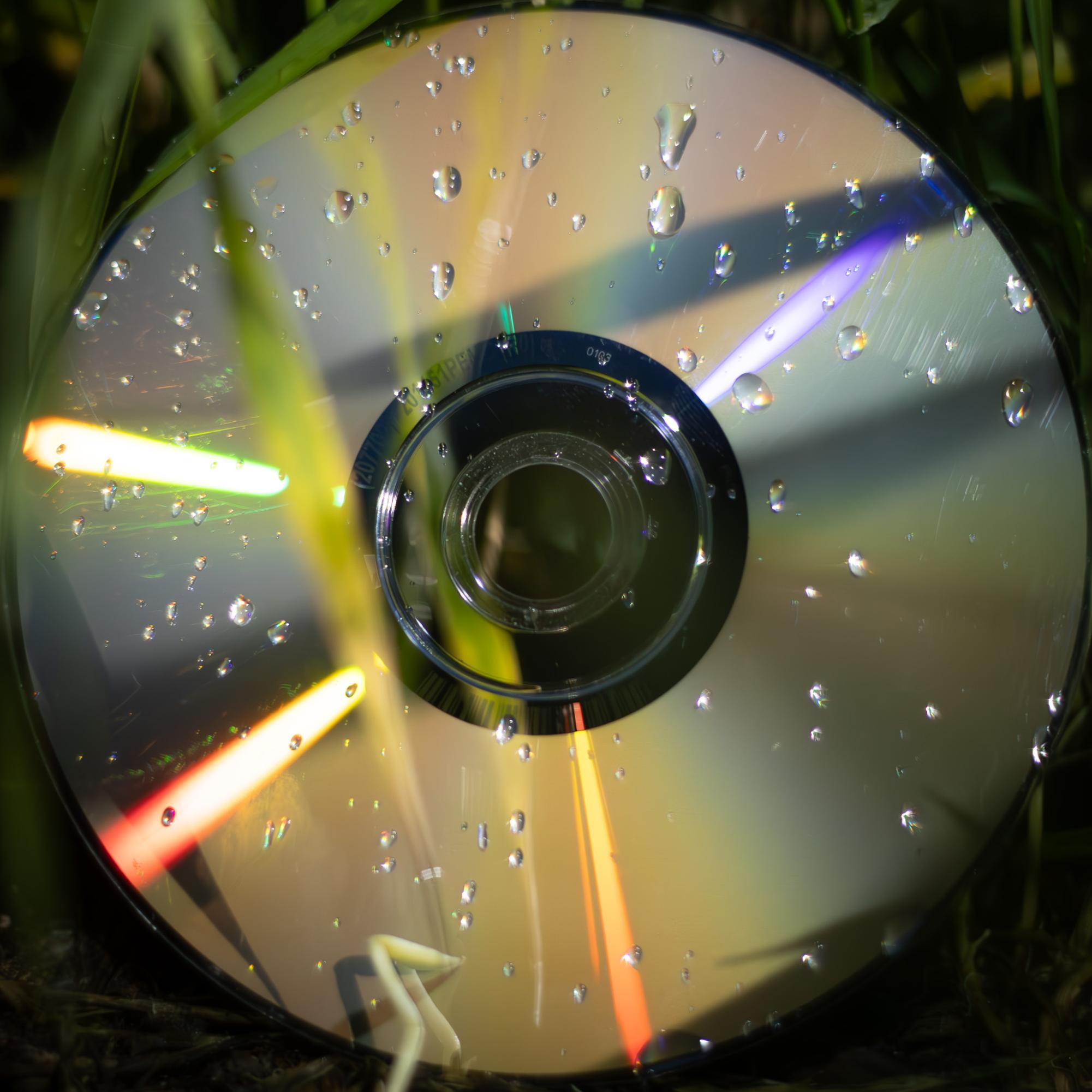
Refraction of light is so fascinating to me and I especially love seeing it on a CD. CD’s use refraction, diffraction, and interference. How this works in a CD is that it contains microscopic spiral tracks of data, also known as pits, that are coated in a highly reflective layer of aluminum. The tracks are also so close together that the spaces match the wavelength of visible light. When white light hits these patterns, it bends and spreads out to show us that really cool rainbow look. The light also interferes with each other causing it to be brighter.
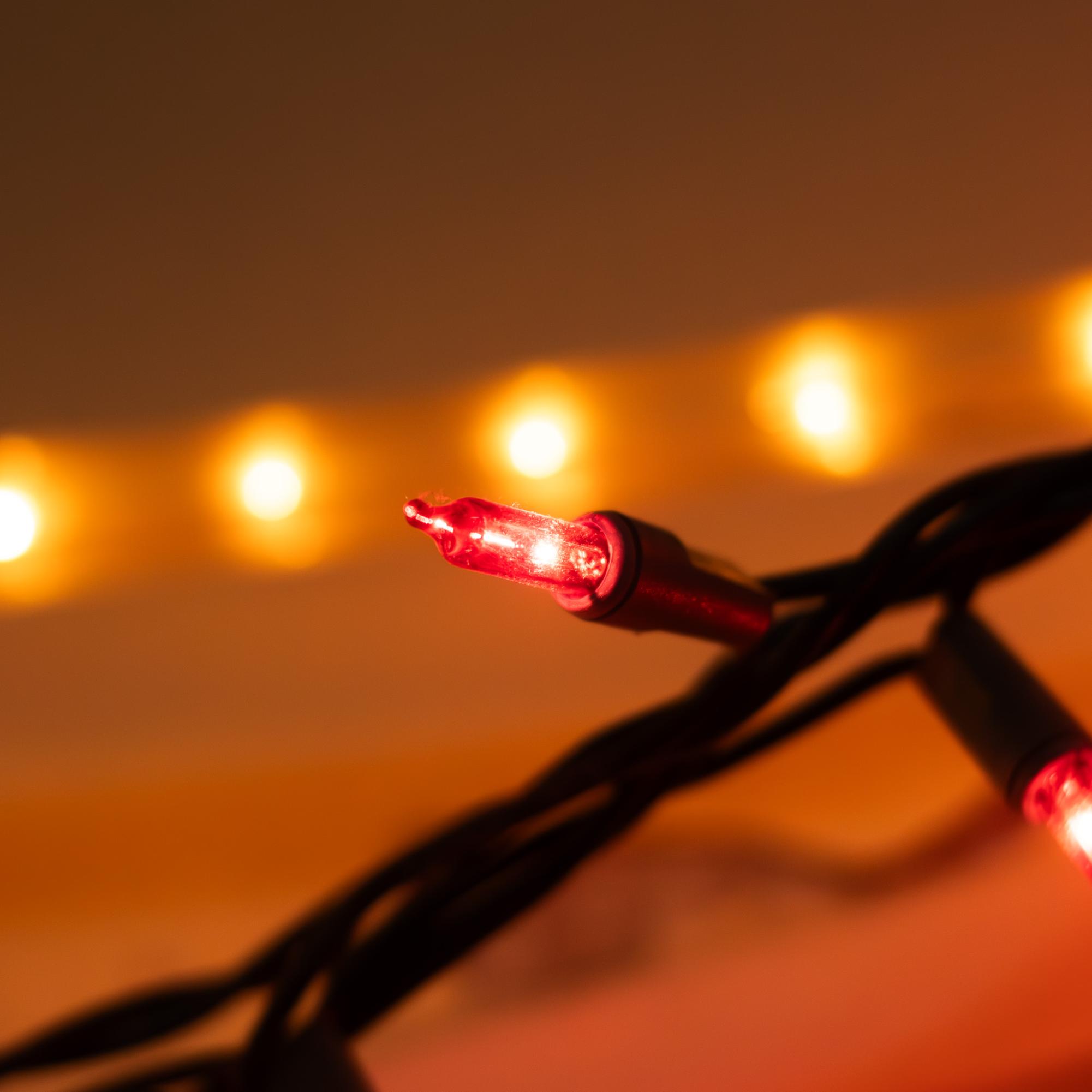
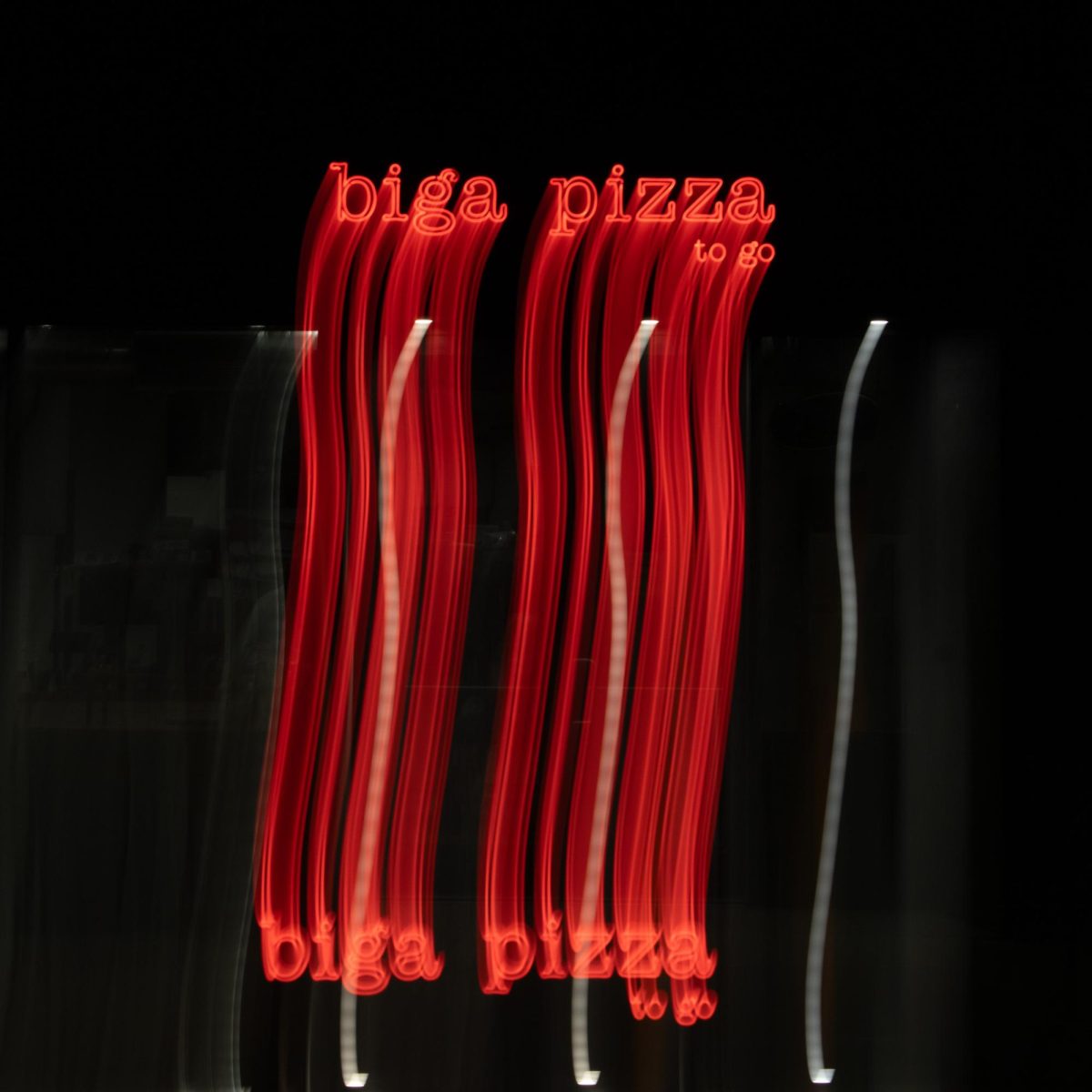
Incandescent lights, like some Christmas lights, work by heating a filament usually made of tungsten to high temperatures until it emits light. The filament is covered by a glass bulb and filled with inert gas, like argon or nitrogen, to prevent burning up and oxidization. LED lights work by passing electricity through a semiconductor. When electrons move through this material, they release energy in photos. This method, called electroluminescence, is very efficient because it produces little heat and mostly converts the energy into light. LED’s rely on a microchip encased in a tiny plastic bulb. The chip is a p-n junction which are two different types of semiconductors. These two work together to produce the different colors of LED light.
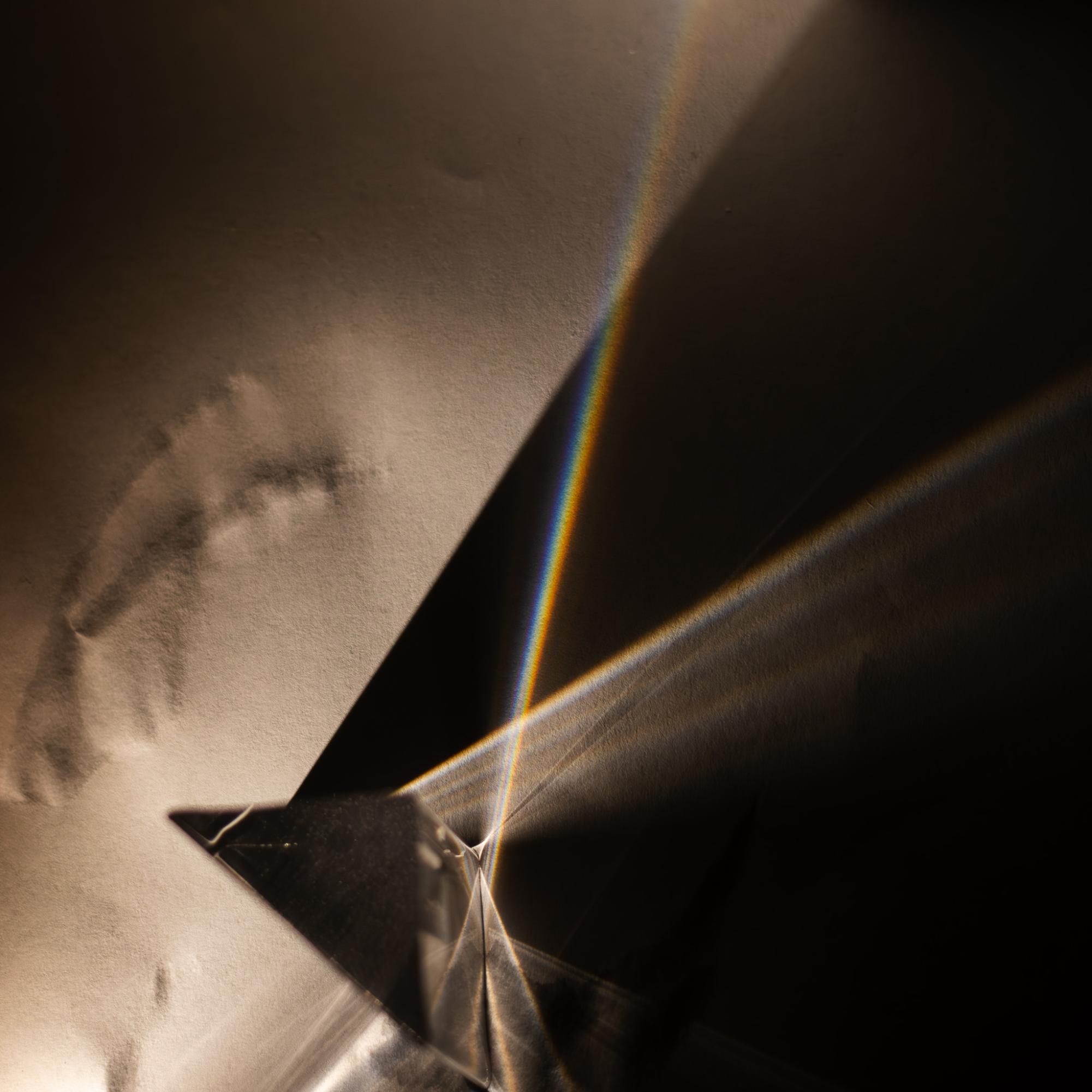
Discovered by Sir Issac Newton, this experiment involves a clear glass prism and white light. I love this experiment because it shows how white light is just every color of visible light together. When you shine some sort of white light at a side of the prism, the light bends and slows down through the glass then bends again when it exits the glass. Different wavelengths of light bend more or less with violet bending the most and red bending the least.
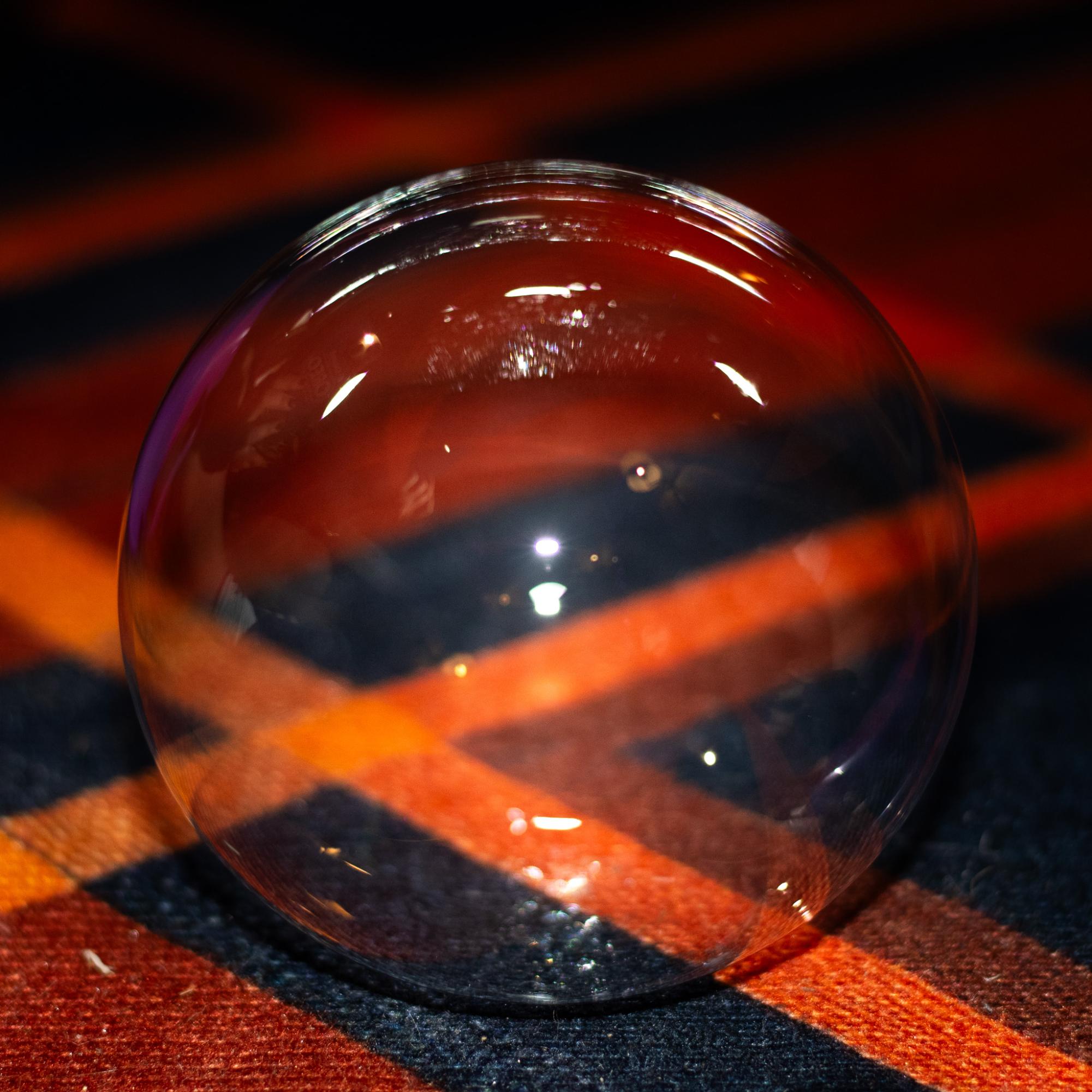
Soap bubbles are something you see all the time. Sometimes you can even see a sort of rainbow look to them. This rainbow glint is from how thin the soap really is. It’s so thin that some light reflects back and some bounces off the inside. The path length from these different areas of light cause interference with each other causing the rainbow look.
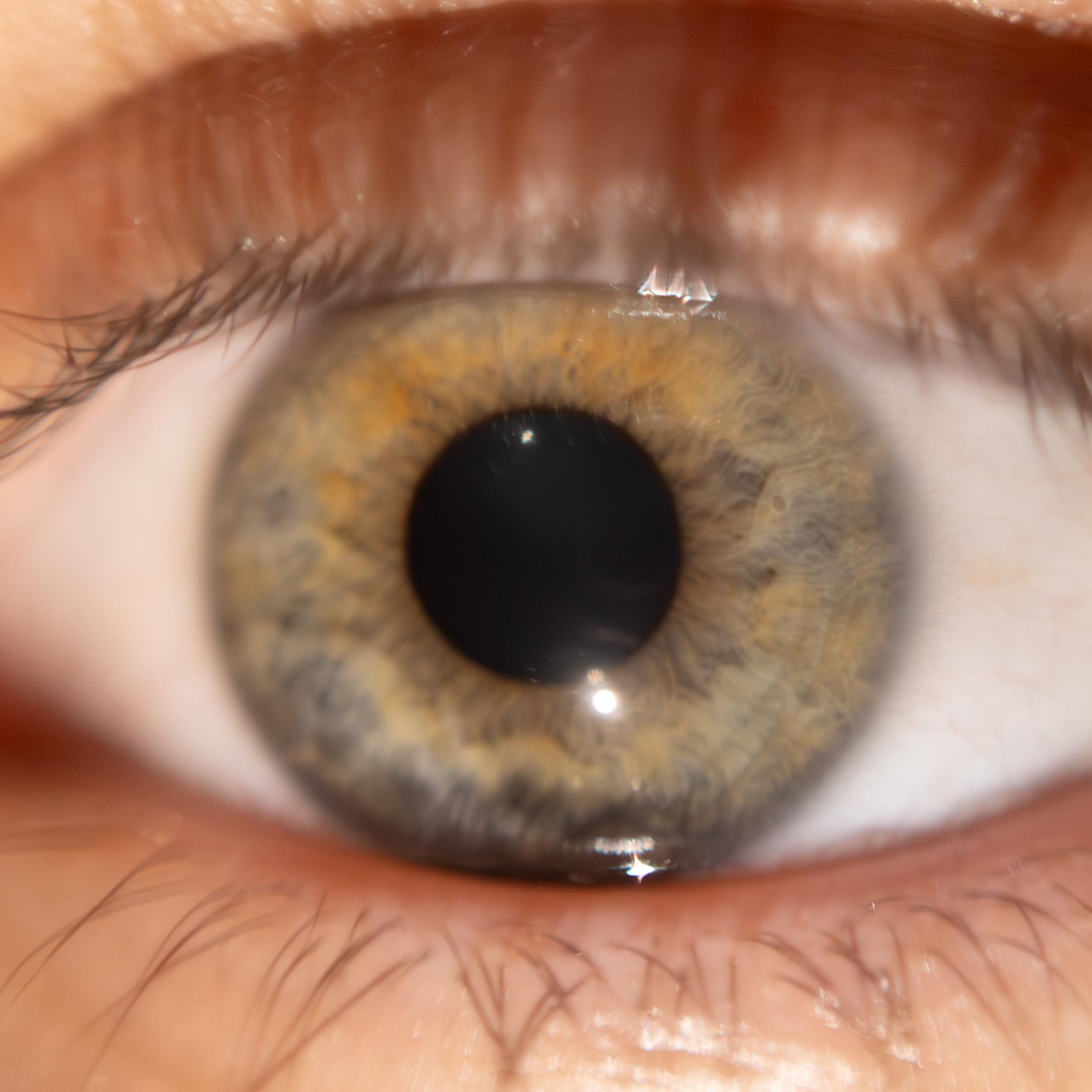
The human eye is one of my favorite aspects of our existence. As light travels through the many important parts of the eye, it hits the retina, filled with cones and rods that convert the light into electrical signals. This is what helps us see brightness and color. Different parts of the eye have different jobs like the cornea and how it protects the inside of the eye or the iris and how it controls your pupil size for light adjustment. Every part plays a role and I love how our eyes work.