



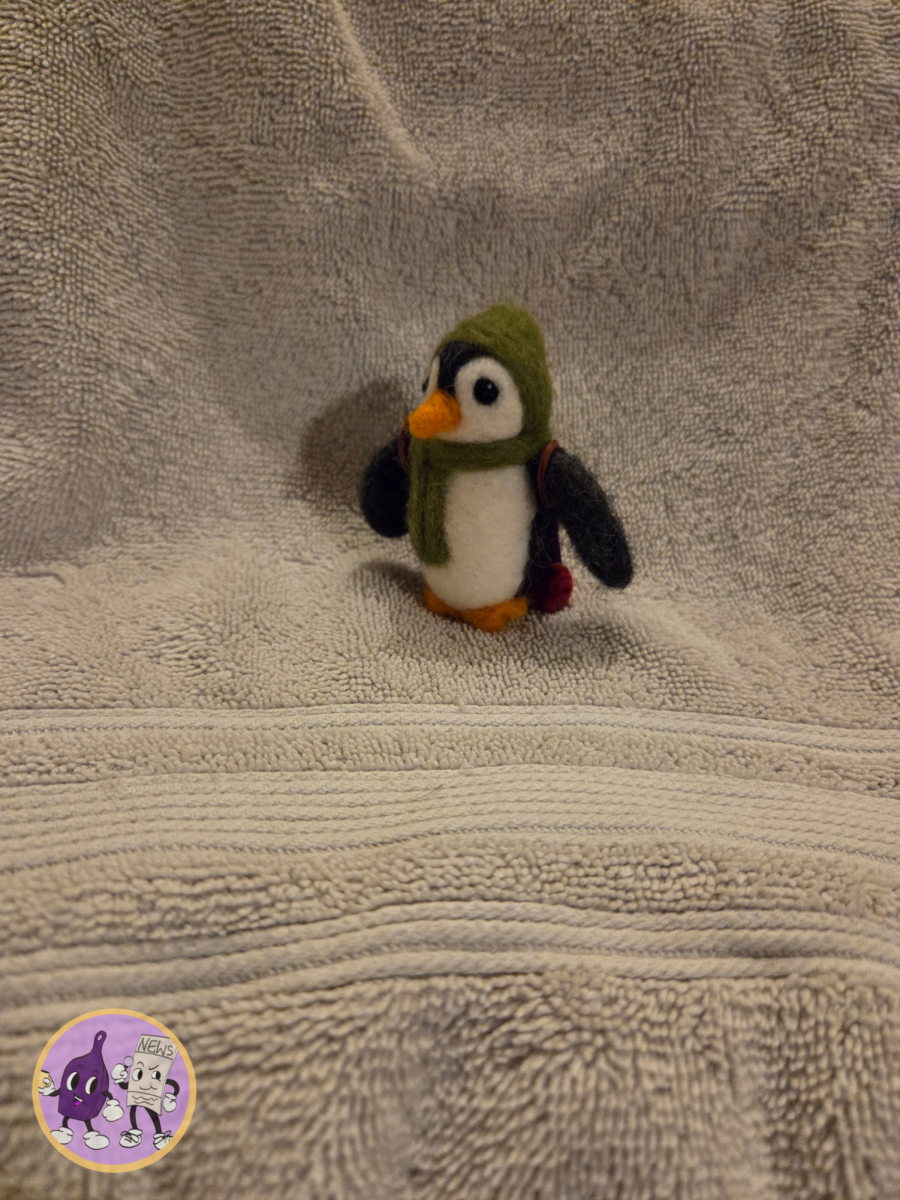
Spread across the Southern Hemisphere, tropical coasts of South Africa, and New Zealand, lives the majestic flightless bird known as the penguin.
Penguin’s anatomy is wildly interesting because it sets them apart from other birds and their human-like behaviors make them easy to relate to.
Anatomy
Penguins are most famous for not being able to fly, but that doesn’t mean they don’t have wings. Their wings are much shorter and stiffer than other birds, and they are the only bird species that can’t unfold their wings.
Even though penguins can’t use their wings to fly in the air, they can use them to swim through the water, which is a much more important skill for their species to survive.
Because their wings are fused to be straight, it acts much more like a flipper, powerful and rigid, not flexible and dynamic like other birds. They help them to cut through the water smoothly and at high speeds so that they don’t die from frigid water temperature and can catch fast-swimming prey.
Penguin’s wings aren’t the only part of their body that has been made for the water. Their eyes act as natural goggles because they have a specialized third eyelid just for them to use while underwater.
Their corneas are also flat, which helps them see like prediction glass, making everything underwater very clear.
Their eyes are meant to see violet, blue, and green, and even some colors of ultraviolet which humans are blind to. This color vision makes it much easier to hunt, pry, and swim in water.
Because penguins spend so much time in the Southern Ocean, they ingest lots of sea salt. Another thing that penguins’ eyes do for them is filter out the salt with a special gland called the supraorbital.
The gland forces them to sneeze out the salt water through their beaks instead of it going into their bloodstream.
Unique Behaviors
While penguins are different from other birds anatomy-wise, their behaviors are similar to humans.
Penguins have developed a sleeping system that benefits their survival in the arctic. They take over 10,000 micro naps a day, each lasting for just a few seconds, making them relatable to people with narcolepsy. These micro naps add up to about 11 hours of sleep per day.
They also propose to their mates with little pebbles much like how a person would propose with a diamond ring. The pebble must be smooth for the female penguin to expect it. Once she does they are official mates and bonded for life.
Penguins are also not limited to heterosexuality but also sometimes perform homosexuality behaviors in the wild and in facilities like zoos. This is because penguins don’t see gender like humans do, so if there is a shortage of females in a colony, males will naturally bond with other males.
Additionally, they don’t raise the chick any differently than a female and male mate would, but sometimes they do steal other penguins eggs because they can’t naturally have one.
Penguins are magnificent, interesting creatures who have evolved far from any other birds. With their wings evolving more into flippers to sustain their lifestyle to how they get their sleep, there is always something new to learn about them.