

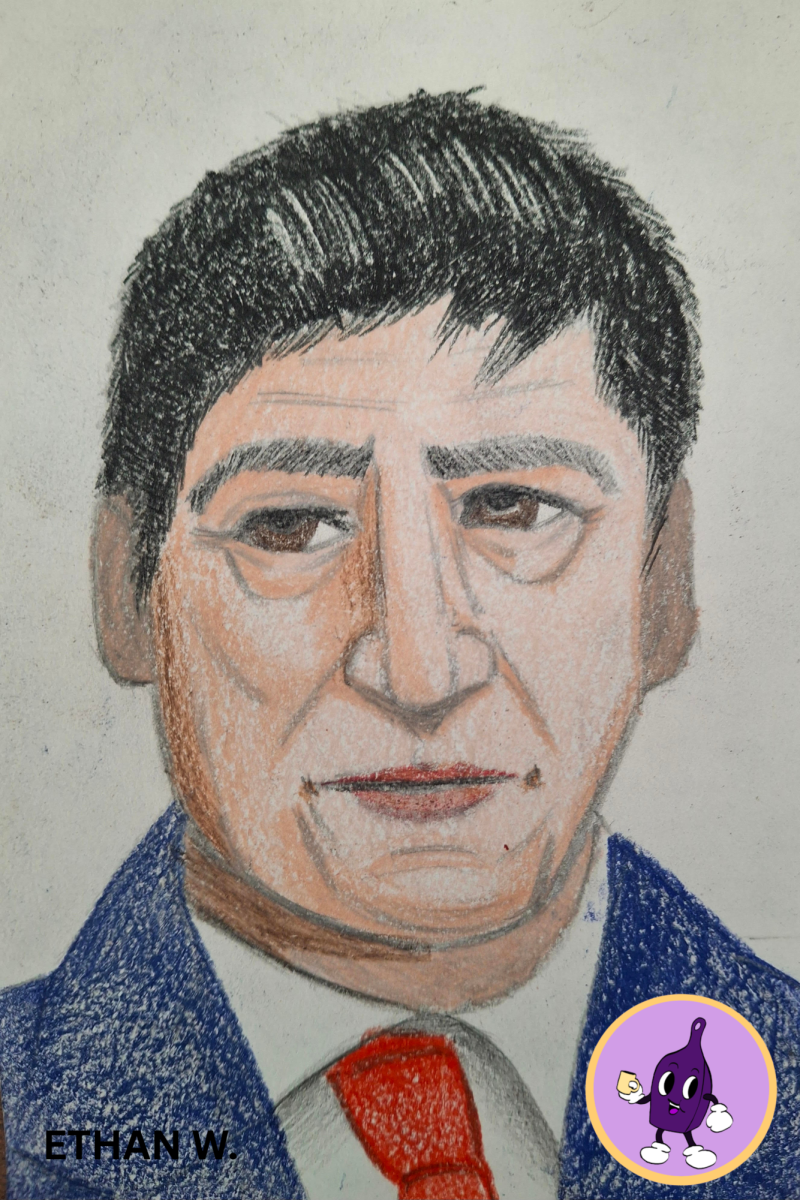
On May 22, 2026, Kevin Warsh began his four-year term on the chair of the Federal Reserve (Fed). He will serve a term as a member of the Board of Governors, with his term ending on January 31, 2040. Warsh was nominated by President Donald Trump and confirmed by the Senate for both positions.
President Trump pushed hard for Warsh as the Federal Reserve Chairman for a variety of reasons. One of the main reasons that the President keeps readdressing is that he wants Warsh to achieve lower interest rates and initiate structural reforms at the central bank.
In December, President Trump had posted on his social media platform X (formerly Twitter) that he wanted a Fed chair who is looking to cut interest rates when the stock market rises – which is the opposite of what traditional economics would prescribe. He added at the end of his post, “Anyone that disagrees with me will never be the Fed chairman!”
These comments have caused concerns over whether or not Warsh will raise rates based on the economic conditions or seek to cut rates in order to appease Trump, even if it could worsen inflation.
At Warsh’s confirmation hearing that was on Tuesday, April 21, 2026, Democrat Senator Elizabeth Warren, had declared him a “sock puppet” for Trump. Warsh had previously declined to say that former President Joe Biden had won the 2020 election against Trump, who has falsely claimed that voter fraud cost him reelection.
Even then, Warsh denied that President Trump had actually pressured him to reduce the central bank’s primary interest rate.
President Trump wanted a Fed chair who would support slashing borrowing costs in order to best boost economic growth. Warsh had ultimately signaled his alignment with Trump’s growth agenda, often arguing that productivity gains would allow the Fed to cut rates without worsening inflation. However, it is argued that their motivations differ despite the overall encouragement of business expansion and stimulation of economic growth.
President Trump has emphasized that lowering rates would significantly reduce the massive interest costs that are required to finance the United States’ national debt. A lower rate meant that the U.S. dollar would be weaker, which Trump advocates as a tool to make America manufacturing and exports more competitive across the global market. A decrease in borrowing costs for everyday Americans would also stimulate spending on housing, mortgages, and vehicles, leading to a broader economic expansion.
Warsh has claimed that advancements in areas such as artificial intelligence will structurally boost national economic growth, which he argues can combat inflation without needing to hike rates. In order to do this, Warsh plans to lower borrowing costs in order to foster a more naturally prosperous economy.
During Warsh’s swearing in ceremony as chairman, he advocated for a “regime change” within the Federal Reserve and explained how the Federal Reserve will operate with him in his current position. He expressed a desire to modernize the Fed’s processes, reduce reliance on rigid economic models, and trim the institution’s workforce. Rather than using the balance sheet as a primary tool in order to direct financial conditions, he wants the Fed to rely on setting interest rates and reserve the balance sheet primarily for periods of severe economic stress.
Warsh also intends to dramatically reduce the Fed’s massive asset portfolio. He had argued that the sustained large-scale bond-buying blurs the line between monetary and fiscal policy, distorts market yields, and disproportionately benefits large financial institutions.
With a background as a former Fed governor from 2006 to 2011, and as a key intermediary to Wall Street during the 2008 financial crisis, Warsh was seen as a trusted figure in financial markets who could marry monetary expertise with Trump’s political goals.
By leveraging his Wall Street background, Warsh acted as a central point of contact between the Fed and major financial institutions, such as investment banks. He helped to broker JPMorgan Chase’s acquisition of Bear Stearns, which was backed by a massive $28 billion Fed bailout. This was just one out of the many firms that he transitioned into bank holding companies. This allowed these institutions to tap into trillions of dollars in emergency Fed loans and bailout liquidity.
His involvement in the crisis did, however, draw a significant amount of attention and scrutiny. Critics and congressional inquiries have pointed out that he had failed to adequately identify the risks of the subprime mortgage and credit default swap markets before the crisis had escalated. Later, he strongly opposed the Fed’s quantitative easing policies, arguing that such actions had favored Wall Street at the expense of Main Street and risked inflation.
Even though there are people wondering about the amount of trust that can be placed in Warsh, President Trump has continued to push for him to be placed in his current position of Chairman.
President Trump has frequently criticized Warsh’s predecessor, Jerome Powell, for being too reluctant to cut interest rates. Trump was drawn to Warsh due to his own public criticism of the Fed under Powell, even stating that the central bank had “lost its way”.
Two of President Trump’s main criticisms were about the interest rates and building renovations.
Trump continuously pressured the Fed to slash borrowing costs to stimulate the economy. Powell, despite this, continued to take cautious approaches in order to not cause egregious damages. However, the President frequently labeled him as “Mr. Too Late” for his slow approach to cut rates while the Fed worked to combat stubborn inflation.
The Trump administration also heavily criticized the Fed’s $2.5 billion headquarters renovation, calling it “ostentatious”. This led to a Department of Justice probe into whether Powell misled Congress about the project’s scope, which Powell and Fed officials described as a politically motivated attack meant to intimidate the central bank.
Kevin Warsh will be under a careful watch by both the American public and by President Trump due to his history in the Federal Reserve and what path he has planned for the rest of the people. Whether or not he plans to be the puppet that Warren claims him to be or if he gets kicked out of his position will simply be decided by time.