



As of 2026, the Nintendo Wii is officially 20 years old. Even though it seems like it wasn’t very long ago (it was), several ideas from Nintendo’s sleek upright box of motion controls have stood the test of time and are still around to this day (thankfully, excessive and forced motion controls have, in fact, not).
One of the most fondly remembered ideas from this seventh generation of gaming is Nintendo’s avatar creation system called the Mii Maker. Players can customize and create a character to their liking, with several different options for eyes, hair, and even simpler things like noses and eyebrows. Players can then use their newly created character as the star of the pack-in game, Wii Sports (sports games were long overdue for something new).
Wii Sports has gone on to become the best-selling console exclusive game of all time. This spawned a brand new series referred to as the Mii series, and although it’s simplistic in nature but charming enough to keep the audience entertained.
Fast forward to 2013. Although Nintendo’s eighth generation handheld the 3DS had been struggling significantly in its first few months of launch in 2011, it had made a complete 180* due to price cuts and was now steadily rising, eclipsing the Playstation Vita. And with the release of Tomodachi Life, success had no sign of slowing down.
Tomodachi Life is the sequel to a DS Japan exclusive title called Tomodachi Collection from 2009. The game sees the player in control of an island, tasking them to populate it with Miis, overseeing them interact with each other, make friends, and create and solve problems. Even more customization was given this time around, allowing the player to create a voice for their Mii, perfectly paced and pitched to their liking. Tomodachi Life ended up selling 6.72 million copies worldwide, solidifying its spot as one of the top-selling 3DS games.
Tomodachi Life, many believed, had the potential to become its own series, similar to past Nintendo franchises such as Wario Land or the Yoshi series. This was especially evident considering the hit-or-miss consistency of the Mii series thus far, with releases such as Wii Sports Resort and Wii Play fueling success, but with releases like Wii Music sinking the ship that was Nintendo’s E3 presentation in 2008.
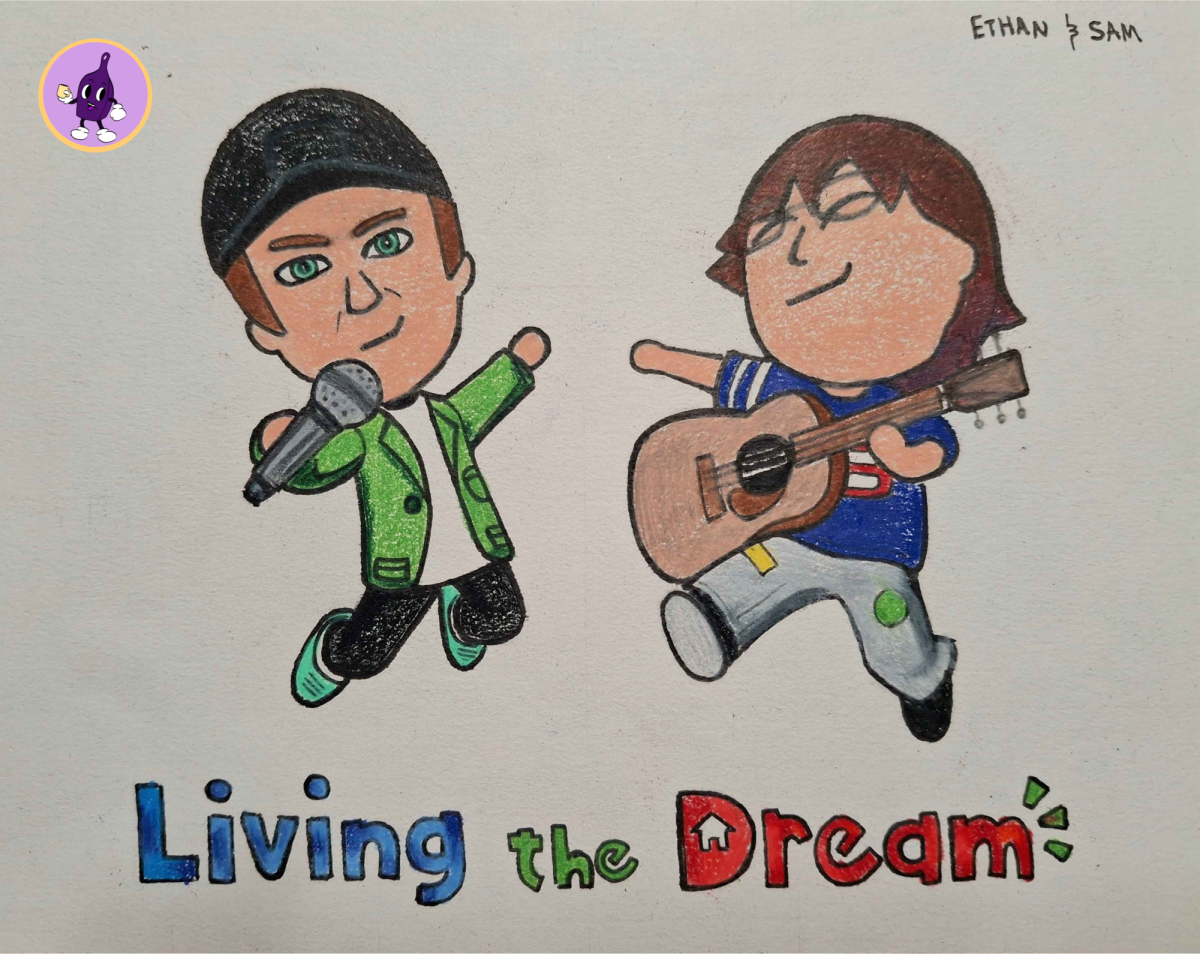
For 12 years, Tomodachi Life remained a standalone title. But on March 27th, 2025, a sequel was announced, to much surprise. Titled Tomodachi Life: Living the Dream, it was scheduled for release on April 16th, 2026. So how does a sequel to a beloved Nintendo standalone title carry on the legacy of the franchise it has assisted in creating?
The first thing of note is the availability. Tomodachi Life: Living the Dream was released for both the Nintendo Switch and the Switch 2, despite the Switch being almost ten years old. It makes sense, considering that no information about the Switch 2 had been released (except for it simply existing) at the time of announcement, but it’s still something that gives the game a wider audience, which is appreciated for almost any product.
Tomodachi Life: Living the Dream follows the story of the first game by giving the player an empty island and tasking them with populating it with Miis to interact with each other. Customization has taken an even more massive surge forward, allowing the player to change the color of their Mii’s hair, skin, and other facial features to any color imaginable, no longer limiting the player to more traditional skin tones/hair colors.
Adding on to this is the new face paint feature, which lets the user draw on the face of their Mii, allowing them to add any shapes or lines they want. People have been able to create Charlie from Smiling Friends, the titular character of the 2011 mobile app Talking Ben, and Patrick Crusius’ internet immortalization the Chudjak, to name a few. The only limit is your creativity.
The Miis were not only given updates on their physical appearances. In the original Tomodachi Life, it was not possible for your Mii to be in same-sex relationships (which Nintendo apologized for). With Living the Dream, the option to make your Mii of any sexuality or nonbinary was implemented, further adding to the inclusivity and choice that the game provides. It truly feels like there’s a home for everyone, which is what I believe to be the game’s biggest strength.
Censorship has been removed from the game, with the exception of image sharing, which can lead to some “out of context scenes”. Other than this, though, your Miis are free to say whatever they want, for better or for worse. You can also change the pronunciation of words in case you want your Miis to speak without using any vowels, for whatever reason that may be.
Another new feature added is The Palat House, where players can create custom food items for their Miis to buy at a supermarket. Again, this has led to lots of unique creations including several different brands of cigarettes and Fortnite shield potions. Again, the sky’s the limit, so it’s still surprising to see new ideas that people have come up with.
Tomodachi Life: Living the Dream goes above and beyond as a sequel. It has fresh ideas, it’s creative, and most of all, it’s inclusive, allowing anyone to freely express themselves and their ideas. Creativity is the most important factor in a game like this, and by leaning into that creativity, it is able to create success that can be enjoyed by many and build groundwork for a future entry.
