


TRIGGER WARNING: THIS ARTICLE CONTAINS DISCUSSION OF TORTURE, DEATH, GUN VIOLENCE, AND DRUGS
The U.S. Justice Department, under the second Trump Administration announced that it was reintroducing firing squads and other alternative methods for federal executions as of April 24, 2026. This directive authorized not just firing squads, but also electrocution and gas asphyxiation.
The cause of this is mostly due to two reasons: The policy aims to expand executions beyond lethal injection, citing challenges in obtaining the multiple drugs required for the method. The decision is also part of a broader effort to expedite federal death penalty cases.
The new policy also redid how federal executions were being done by the Biden administration before President Trump’s first term (2017 – 2021). During this term, he ended a 20-year federal moratorium, in which he then oversaw 13 federal executions by lethal injection.
The Administration claimed that it was working on a regulation that intended to “cut years” off of the federal appeals process for state death penalty cases. The department also said it planned to issue a regulation that would impose new limits on the inmates that have been sentenced to death (life in prison) to seek pardons from the federal government.
The policy also mentioned expanding the types of criminals – and crimes – eligible for the federal death penalty in order to “correct gaps and deficiencies” in the current law. In order for this to occur, Congress would have to pass the policy into law.
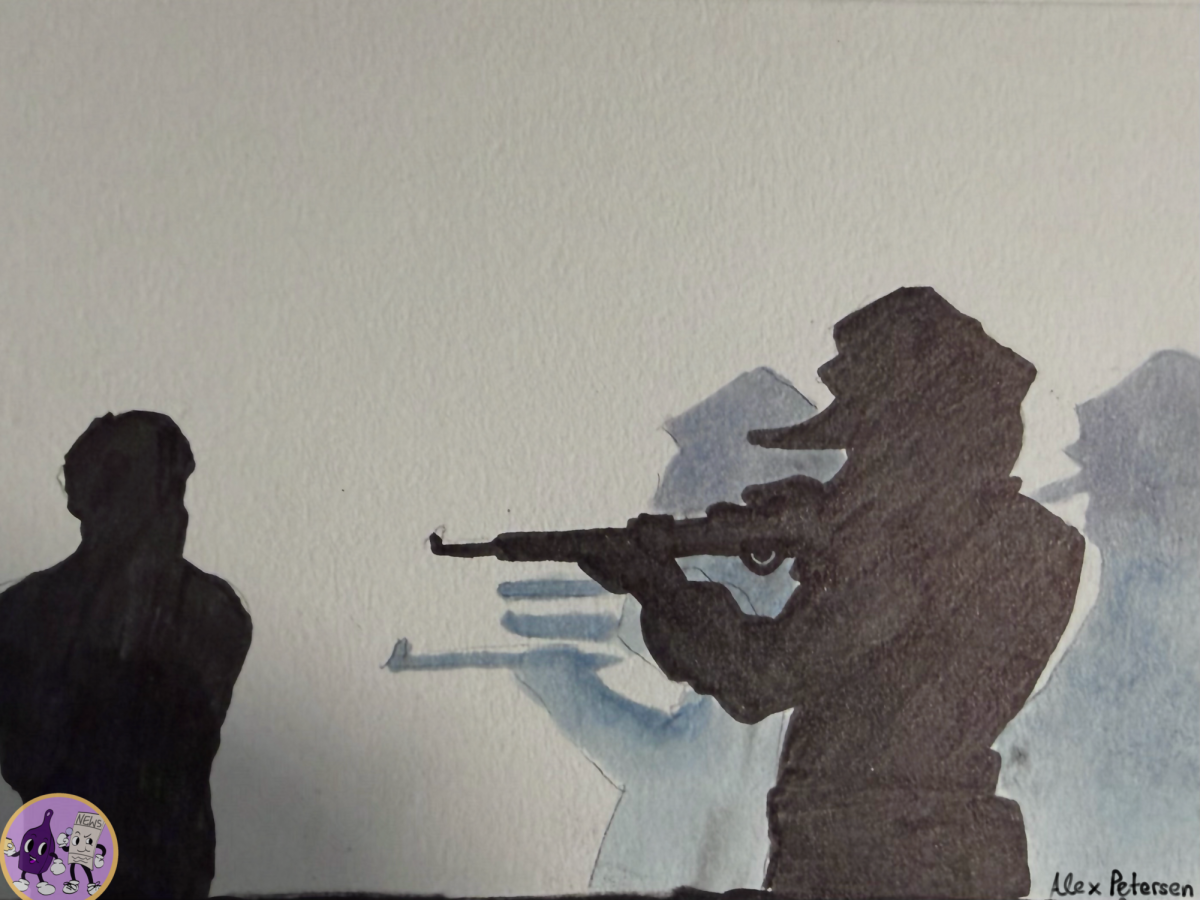
Firing Squad
The firing squad is the only method in which the United States has already trained people ready to perform executions. Skilled professionals – such as military shooters – are prepared to kill. This is not the case with lethal injection, where the people doing the executions are not adequately trained, which also increases the risk of a “botched” execution.
Execution by firing squad is a legally and historically recognized method of execution and was very common in military contexts and conflicts. While it’s now an uncommon practice in the United States, as an alternative method, it is still one that inmates consider to be faster and more effective than lethal injection.
Some controversy surrounding firing squads is that they are considered more fundamentally violent. In order for the deaths to be rapid, it is caused by the rapid blood loss and potential suffering if the heart is missed. Due to this, people have claimed that the executions that use this method take a psychological toll, causing severe emotional trauma for witnesses and prison staff tasked with performing it.
Along with that, human rights organizations, such as Amnesty International, oppose this method due to the fact that it violates international normalities and serves as a “dehumanizing” form of punishment. Within the U.S., it can be viewed as a violation of the Eighth Amendment’s ban on “cruel and unusual punishment” by many opponents.
Electrocution
Electrocution is currently an authorized alternative in nine states, which include Alabama, Arkansas, Florida, Kentucky, Mississippi, Oklahoma, South Carolina, Virginia, and Tennessee. While they do not need federal approval in order to use electrocution, it is usually the second option to lethal injection.
As of recently, South Carolina has designated the electric chair as its primary method of execution. However, the courts did leave the option of firing squads as an alternative for inmates for their choice of execution.
The current procedure for an electrocution execution involves strapping the inmate to a wooden chair and applying high-voltage currents, typically between 500 and 2,000 volts, through electrodes attached to the head and legs.
Modern reports have been highlighting the brutality of the electric chair, noting that bodies can reach temperatures of 100°C, sometimes causing internal organs to fail, the head to catch on fire, and more often than not, skin to burn off of the body during the execution. Courts in Georgia (2001) and Nebraska (2008) have ruled that the electric chair is unconstitutional under state bans on cruel and unusual punishment.
Gas Asphyxiation
Nitrogen hypoxia is a form of asphyxiation that is caused by inhaling pure nitrogen, which displaces oxygen in the body, causing a person to fall unconscious, and eventually leads to death. It is often an industrial hazard caused by accidental exposure in confined spaces and is currently used as a method of execution in several U.S. states.
Proponents claim that nitrogen causes rapid loss of consciousness making it a humane form of execution, due to the fact that the inmate has a high likelihood of being unable to feel it and will pass rapidly. However, medical experts and UN representatives have warned that it can cause distress, severe pain, and seizures, if not instantaneous and impure.
Prior to using nitrogen, the United States used Hydrogen Cyanide in 1942, which was first used in Nevada until 1999. It was originally designed to interfere with cellular respiration, which resulted in death within a couple of minutes.
The use of gas as a method of execution remains a subject of legal and ethical debate. Currently, the attainability of the available methods varies from state jurisdiction and often depends on the specific legal options that are provided to the individual or the availability of the other methods.
Lethal Injection
The Justice Department reauthorized the use of single-drug lethal injections with Pentobarbital. This was originally used in the lethal injection cocktail depending on the state, along with two other drugs, called Vercuronium bromide and Potassium chloride. They would switch out the Pentobarbital with Sodium thiopental or Midazolam depending on the state.
The single-use drug injections were used to carry out 13 executions during the first Trump administration – more than under any president in modern history. However, in between the first and second Trump presidencies, the Biden administration had removed Pentobarbital from the federal protocol over concerns about the potential for unnecessary pain and suffering.
As a potent sedative, high doses of Pentobarbital suppresses the central nervous system and brain activity, leading to unconsciousness and respiratory failure. It was introduced in 2010 as an alternative to the traditional three-drug cocktail and has been adopted by various states and the federal government for capital punishment.
Many pharmaceutical manufacturers prohibit the use of the product for the executions, leading to both legal and logistical challenges for departments of corrections in sourcing the drug. This leads to higher risks, which often focus on the quality of the drug when sourced from compounding pharmacies. Many critics have been raising concerns about the potential for physical suffering if the solution has not been properly prepared.
The Trump Administration has already made a multitude of changes to the federal execution process during both of President Trump’s terms in office. However, the federal courts have also reversed and changed how the execution process works depending on the person in office and which party controls the courts.
While there are a multitude of concerns regarding all the forms of current execution methods, it has been realized that no other testing can be done to prove this than through the inmates themselves.