



The 2026 World Cup is less than 50 days away from its kickoff date on June 11, and there have been multiple changes since the previous four years of the tournament.
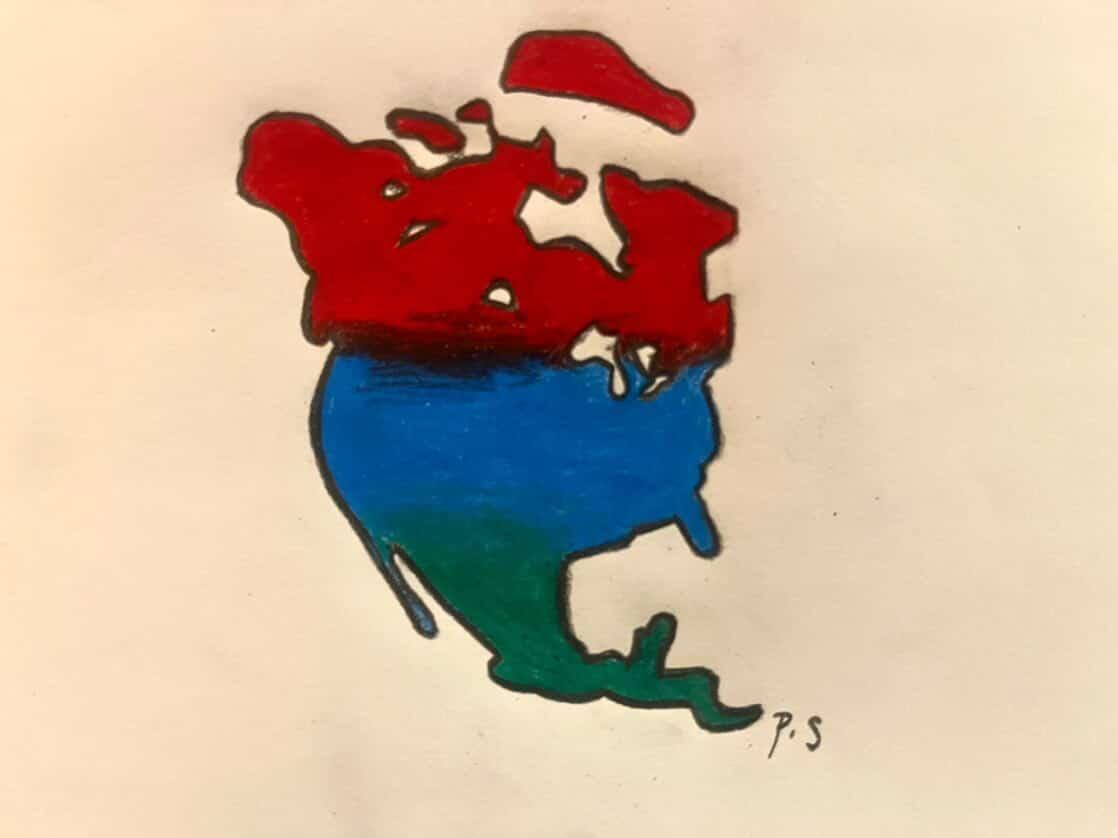
There are 16 new spots being added, making the roster increase from 32 teams to 48. In addition, all of North America will be hosting the tournament, which includes the United States, Canada, and Mexico.
Because this is the first time that the three countries have ever hosted, there are new pros and cons that the Fédération Internationale de Football Association (FIFA) will have to consider.
Pros
Historic Number of Teams
The last time the World Cup was in North America (1949), the tournament was much smaller, with only 24 teams and 52 games; it was able to be played in a single month.
Now, the World Cup will hold 48 teams which makes this the largest expansion in the tournament’s history since 1998. Because of the expansion, there will be four to six games a day and 104 games in total.
The United States has the ability to host all 48 teams by itself, with 30 NFL stadiums that double as soccer pitches, but that would feel extremely overwhelming to the public and to the host city’s organizations.
With Mexico and Canada also being host countries, it takes the pressure off the United States to have to cram group stage games, which creates a more entertaining tournament for fans.
With the current schedule for the tournament, the United States will have 78 games across 11 cities: Mexico will have 13 games across three cities, and Canada will also host 13 games across two cities.
Even though it’s only 26 games not being played in the United States, it still helps with the control and flow of the tournament. Now, there aren’t going to be excessive amounts of security everywhere, more space for fans, and this interesting dynamic of traveling to different countries during the tournament definitely elevates the game.
Financial Cost
The World Cup is expected to generate over $10.9 billion, the largest amount of revenue the tournament has ever had. But to make that kind of money, host cities and countries need to put a lot in.
The United States has been awarded $625 million from the federal government for security, but the 11 host cities will need to put in $100-$200 million of their own money.
Canada’s host organizations are expecting it to cost somewhere between $532 million and $625 million.
Mexico is somewhere around $470 million, with the majority of that from Mexico City.
The cost of the tournament isn’t lowered, but it seems to be easier to manage when there are three countries putting money in, unlike if there was only one location where they would easily spend $100,000 millions, most likely without government or FIFA’s assistance.
Cons
Violence Outbreaks
With any major national event like the World Cup, there is bound to be a security and safety issue of some kind. This year’s tournament is no exception, with the Mexican Cartel being prominent figures in the last few months.
On February 22, 2026, El Mencho – leader of the Jalisco New Generation Cartel (CJNG)- was killed by the Mexican Government. The killing sent the cartel into a rage, and they terrorized different states around Mexico, setting fires to public buildings and making armed human barricades blocking the road.
This onset of these violent outbreaks isn’t only a problem for the general safety of Mexico, but it will also affect how many people go to one of the World Cup games being hosted in Mexico.
FIFA’s president, Gianni Infantino, remains calm, but national soccer organizations like Portugal are worried if it will be safe enough to host a world event.
Nevertheless, Mexico is taking no risk and sending out over 100,000 safety forces around the country with a heavy focus on airports and the three host cities.
Travel Cost
When going to events like the World Cup, people are prepared and expect to spend an outrageous amount of money to see their national team play. This World Cup is no exception, but the international prices might make some fans rethink whether it’s worth going.
International prices to go from Canada to the United States are regularly $207 to $359 for a round trip, depending on the time of the year. From Mexico to the United States, it’s $150-$400 for a round trip.
With World Cup prices, an around-trip flight from Canada to the United States is around $150-$600+ and from Mexico to the United States it ranges from $200-$600 to $2,500-$6,575 dollars if people are planning to go to any of the later games.
On top of flight prices going up, hotels are changing fans over a 300% increase in nightly rates. Some nightly rates in Mexico City are going for $3,000 per night, and the average in New York and New Jersey is around $1,189 per night.
When fans see the travel costs and hotel prices put together which could easily go over $10,00 it could potentially turn them away, which would generate less revenue for the tournament.
With the tournament being right around the corner, there is no backing out of having three hosts. There is hope that this setup can work with the pros outweighing the cons if Mexico’s safety issues calm down and if fans’ love for their teams outweighs their dismay for the travel cost.
The World Cup kicks off on June 11 with the opening match being in Mexico City, with Mexico going up against South Africa.