


Lunar New Year is a holiday for many different cultures, including China, Vietnam, Korea, Malaysia, Singapore, Indonesia, and the Philippines. The Lunar New Year is a 15-day celebration which begins on a different date each year. For the year of 2026, it is set to begin on February 17th.
The Lunar New Year is celebrated to bring in the spring season and is the beginning of a new year on the lunisolar calendar. These celebrations vary in size, food, and ideals. However, it is a celebration with family and a celebration full of prosperity.
Lunar New Year isn’t just “Chinese New Year” it is a fresh start for all kinds of Asian cultures around the world full of family, prosperity, and luck.
China:
In China, the Lunar New Year, other wise known as Chūnjié, is celebrated on a Lunar calendar with different Chinese zodiacs each year. The different zodiacs are based on animals including the rooster, dog, pig, rat, ox, tiger, rabbit, dragon, snake, horse, goat, and monkey. This year will be the year of the horse.
To figure out what ones Chinese zodiac they would have to go through their year of birth to determine which animal correlates to the year. After figuring out ones zodiac they can base their year off of what their zodiac is, whether it is their bad luck year, a year of prosperity, and many more prophecies.
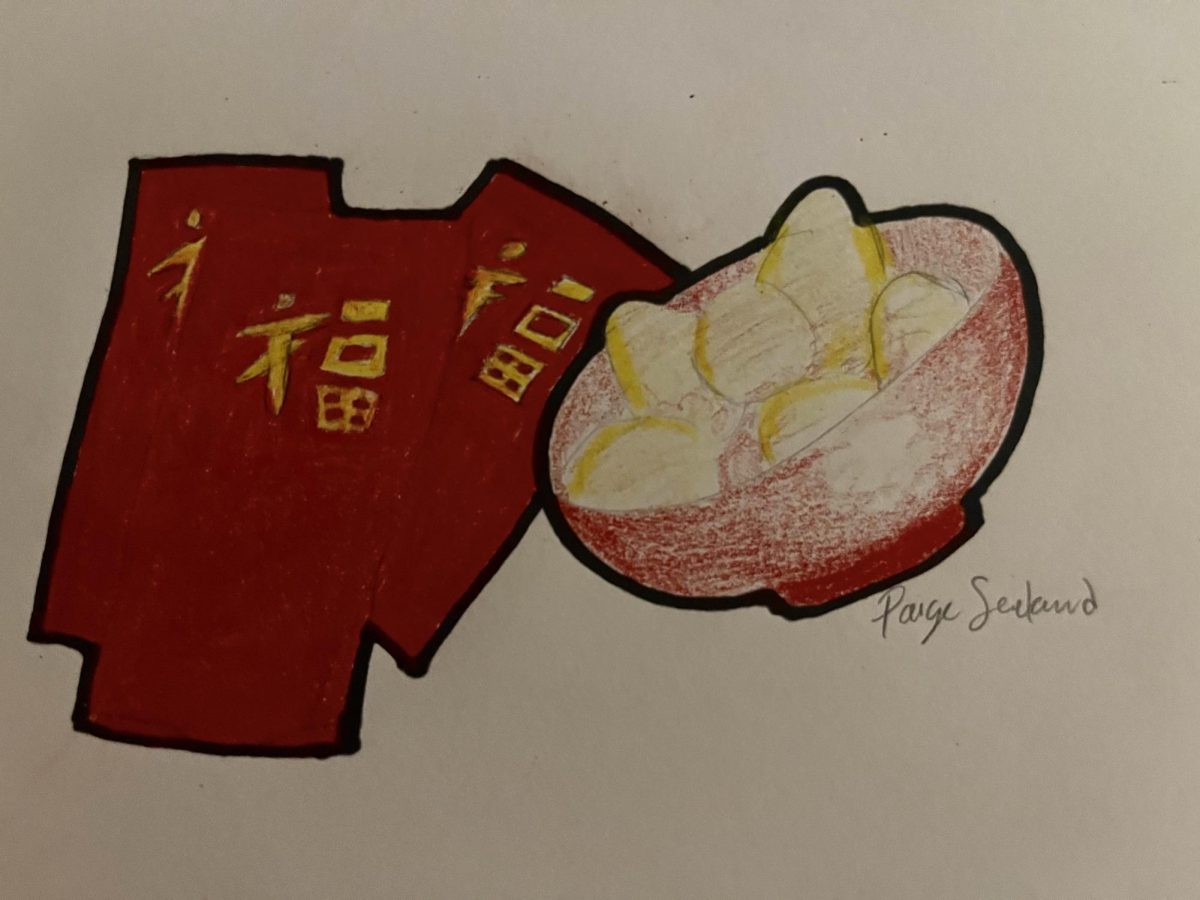
In Chinese culture there are many ways to celebrate the Lunar New Year. Some may have parades or lantern festivals and some may stay home with the comfort of their family giving out Hong Bao (red envelopes filled with money and or candy) to the children of the family.
At home celebrations families will indulge in a delicious dinner and treats. These may include longevity noodles, tangyuan (rice ball soup), mooncakes, and various fruits.
For Chinese cultures there are also superstitions with the new year. These may include avoiding cleaning ones home to make sure no luck is discarded, not washing hair as the word hair resembles wealth in the Chinese language and by washing the hair the person is washing away fortune that is to come.
By avoiding wearing the colors black and white and sticking to the lucky color red, one will encourage good luck for the year.
Vietnam:
In Vietnam, the Lunar New Year is known as Tết. Begining on February 17th, Tết entails a three day celebration full of lively events that may even lead to a week full of celebration.
During Tết, families may clean their homes in preparation for the new year. Buying new clothes and washing laundry is also a custom as new years mean new beginnings.
A common decoration or symbol that may be found during the week or three days of Tết is yellow apricot blossoms or pink peach blossoms depending on if one resides in the north or south region of Vietnam.
During Tết families will also gather and eat delicious foods together. These foods may include bánh chưng, a glutinous rice cake, bánh tét, a cylinder shaped cake, and many other dishes that are served during dinner.
Another part of Tết is an altar that is left for loved ones that have passed away. This altar gives way to the family members in the afterlife and guides their way home for the Lunar New Year celebrations.
Korea:
In Korea, the Lunar New Year is known as Seollal. Seollal is set to last three days and during these three days there are ancestral rituals, lots of food, family reunions, traditional clothing, and games.
An example of an ancestral ritual that is done during Seollal would be Charye. Charye is a memorial ritual centered around showing gratitude and respect for elders in the family and those who have passed away. Table setting for Charye is very significant and has subtle meanings such as fish being set in the East, meat in the West, red fruit in the the East and white fruits in the West.
Some food that is shared during Seollal is tteokguk a chewy, savory rice cake soup, tons of dumplings, and sweet rice cakes. Sharing food during Seollal and spending time with family is one of the most important tradition of the new year.
Some games that are played during Seollal are yut nori, a game of luck and strategy. Another game is Jegi Chagi, a hacky sack game. There are also other traditions like visiting families from other parts of the region and giving back to loved ones.
Lunar New Year in Asian cultures is an extremely important and bright time of the year. From China to Korea, each culture has their own special way of bringing in the new year.
The Lunar New Year for most is all about family, having a good time, eating, and most importantly bringing in good luck for the upcoming year. Whether the luck is brought through superstitions such as cleaning the house for a week, wearing red, or eating specific foods, all traditions carry weight and work to preserve the culture.
One doesn’t have to be residing in any of these countries to celebrate. The traditions are passed down through generations and brought to more and more places as life goes on. Many stores and chains have special Lunar New Year products these being Costco, Starbucks, Target, and many more.
Lunar New Year isn’t just “Chinese New Year” it is a fresh start for all kinds of Asian cultures around the world full of family, prosperity, and luck.