


At Sentinel High School, the philosophy is to “[foster] academic excellence, personal growth, and community involvement”…but what if there is something that hinders teachers and students’ abilities to do these things?
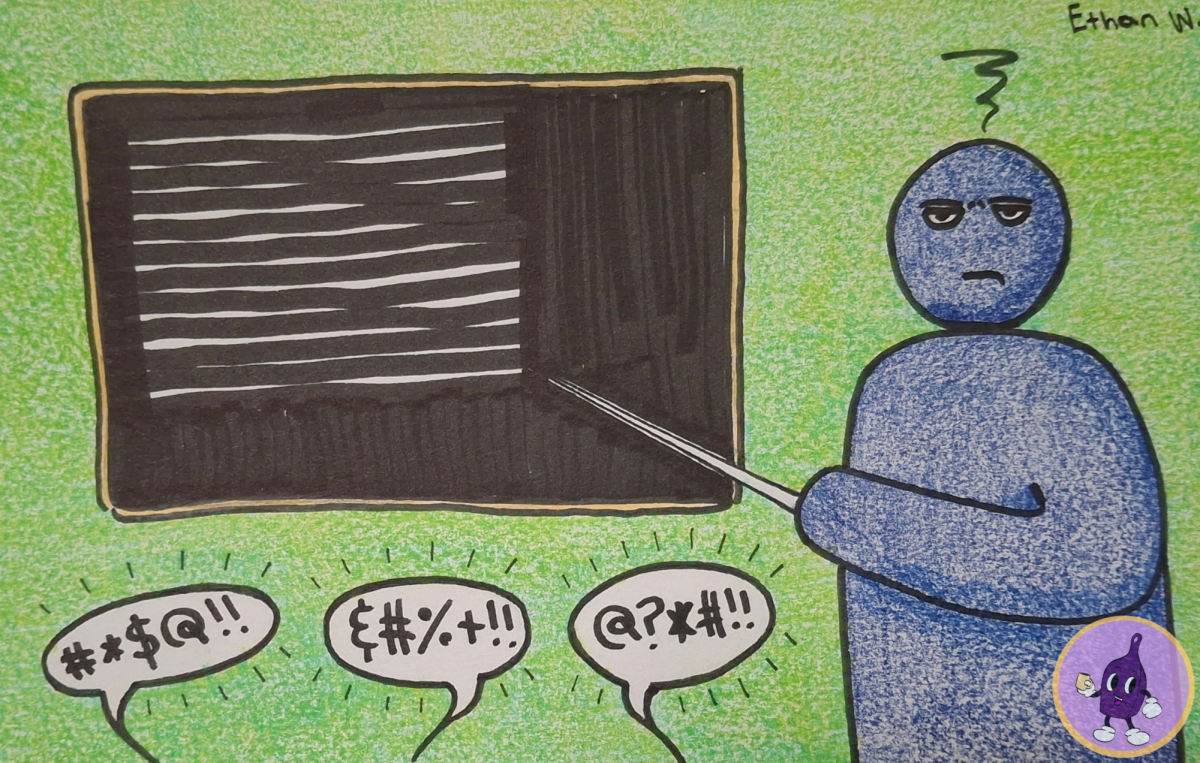
The answer is simple: students being disrespectful to those around them.
The use of phones and social media (as well as the impacts of COVID-19 pandemic) have all made student disrespect more distinct.
Disrespect from students can be categorized as passive, like being distracted or distracting during class, or it can be aggressive, which can be seen as verbal or non-verbal attacks with the intent to harm. These attacks aren’t limited to direct assaults and can also come in the form of rumors.
SOCIAL SKILLS
Increase in phone use over the last few years has impacted how students behave in the classroom. Instead of participating in social interaction with other peers at appropriate times, students look at their phones.
Lewis Nelson, Sentinel’s Band director, feels that kids “don’t know how to act without their phones” and that “when [teachers] take away [their] phones they want to talk”. By taking away students’ phones, students make the decision whether it’s consciously or subconsciously, to perform passive disrespect by talking to their peers during class instructions because they aren’t used to the lack of constant simulation.
This decision makes teachers’ jobs harder in the sense that they are fighting for the class’s attention. In Nelson’s case, it’s even harder to get students focused again because he has classes of 60-80 students and “once someone starts a conversation, it snowballs [from there]”.
The passive disrespect from students doesn’t stop at talking to others during inappropriate times; it’s also the opposite, with students ignoring those around them to look at their phone if given the option.
Josh Rosenberger, Sentinel Spanish teacher, says that “students avoid face-to-face interactions more than they used to” because of their phones.
By avoiding talking to others, it can seem as if students are intentionally ignoring others. Even if they aren’t intentionally doing so, they are still practicing forms of passive disrespect to their peers.
In turn, these trends can lead to false accusations being made because of the lack of in-person social skills kids have learned, which could eventually lead to potential aggressive forms of disrespect.

BUZZ WORDS FROM SOCIAL MEDIA
Not only has the increase in phone use disrupted classrooms, but it has also brought a new age of buzzwords.
Buzzwords are defined by Webster’s dictionary as an important-sounding, usually technical word or phrase, often of little meaning.
AP World History and Psychology teacher Chelsea Johnson notes a “cultural issue [of students] learn[ing] a lot of mature buzzwords” without having “the cognitive processing skills to use empathy with the buzzwords”.
Popular buzzwords originating from social media include terms like “gaslighting”, “self-care”, and “burnout”. These words, when used correctly, can help students maturely advocate for themselves; however, the problem is that social media fails to teach students when to use such terms properly.
Immature use of buzzwords leads to aggressive disrespect inside classrooms and splits the class into two sides: one being students who seem like bullies, and the other being marginalized students.
Students able to maturely advocate for themselves fall victim to their fellow immature peers’ use of buzzwords. For example, one student could make the claim that another student was gaslighting them, when in reality they were only trying to express their feelings. Because the first student doesn’t fully understand the word, the concept of the term is misconstrued and effectively upsets the accused student.
POOR MEDIA LITERACY SKILLS AND MISCOMMUNICATION
Although students are less likely to talk face-to-face with others when they have their phones, they still interact and communicate through different social media outlets like Snapchat or Instagram.
While there are positive effects to students connecting on social media, like being able to maintain relationships from anywhere, there are also negative effects, such as the start of rumors.
When rumors spread among the student body they often come from social media or word of mouth. Junior Gracelyn Castle states that “disrespect comes from judging from afar and not bullying face to face”.
In-person bullying can happen during school hours or at sports practice; however, bullying also can happen at any time with access to phones and social media.
Due to student communication coming from social media and different online programs, this can lead to miscommunication.
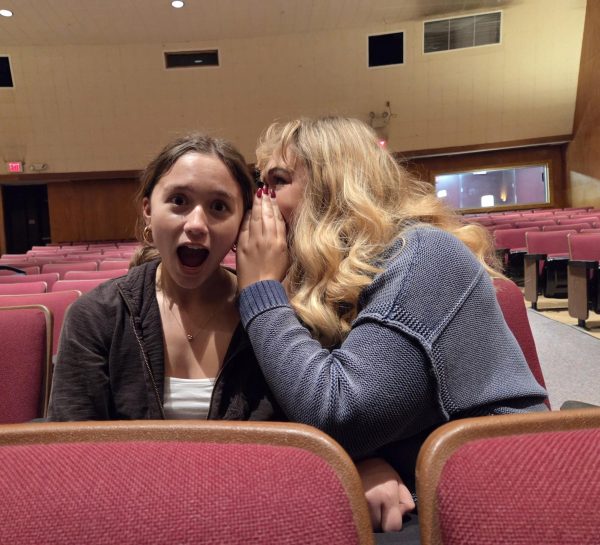
Just like students, teachers also see the negative impacts of social media that involve students online. Government teacher Ronald Beck finds that “students are a bit more likely to believe something bad about a kid that they see on social media than if they heard it face to face”.
Media literacy is an increasingly important skill for all Internet users to not only have, but to actively use. However,, not everyone who is online can correctly apply critical media literacy skills. Believing what is seen on social media can lead to aggressive forms of disrespect, such as spreading rumors further about what was on social media or even confrontations.
OUTSIDE THE CLASSROOM AND COVID-19 EFFECTS
Student disrespect is not only found in classrooms, but also in other sections of Sentinel.
Kristy Bixler, one of Sentinel’s librarians, finds that disrespect is “tricky because it varies from class to class”. In the library, Bixler notices that student behaviors are different, as there are other expectations that students have to follow.
Bixler defines disrespect as “not going along with what the standard expectations are”. In school, there is a set list of rules and expectations students are meant to follow; by not following these rules, teachers and peers alike are often faced with passive disrespect.
Not one to assume the worst of students, Bixler tries to give students the benefit of the doubt, thinking that their disrespect or behaviors sparked from having a bad day.
Bixler states that during COVID-19 she noticed more anger as kids didn’t want to put their phones away into caddies. This has led Bixler to believe that these behaviors have continued over into the last few years.
With online learning, students were forced to adapt to how they view technology in school. The anger that Bixler is talking about could stem from students being heavily dependent on technology in the 2020-2021 school year, to now having the new strict phone policy that is enforced in every brick and mortar school in the Missoula County School District.
At Sentinel, the use of phones and social media, as well as the backlash of dependence on technology during COVID-19, have all led to some type of disrespect coming from students.
Disrespect towards teachers and peers is prevalent and needs to be addressed. Once this is done, Sentinel students and teachers will be able to achieve their academic and professional goals without having to worry about conflicts. This will lead to an overall better understanding of each other and a healthier school community.