



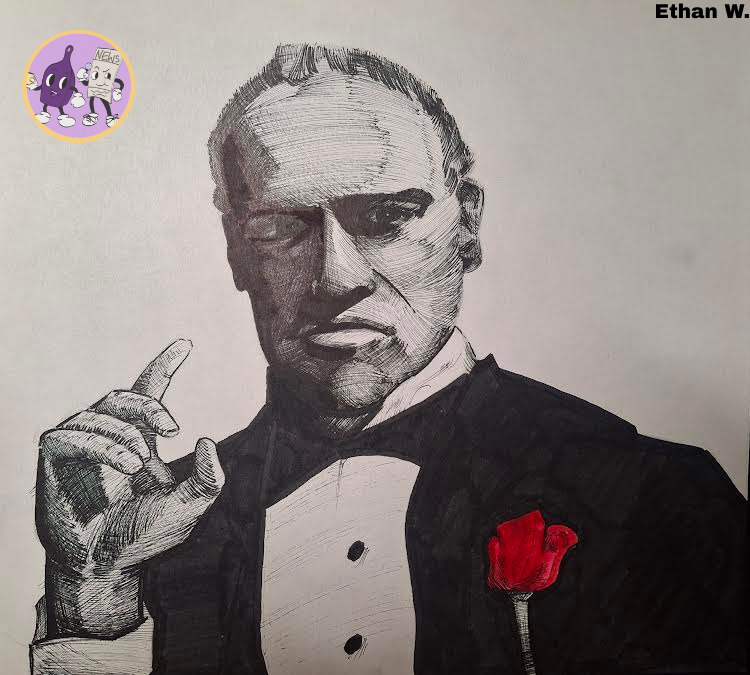
The mafia has become a setting for action, romance, and mystery stories in movies, books, and on social media. Many of these stories depict the mafia members as young, attractive, leather-jacket wearing men who kill and defend people in their lives. However, the idea of the one mafia is not accurate. There are many unrelated mafias, most of which operate in similar ways: as a criminal economic operation.
Different mafias throughout the years have found many ways to make money often based on where they are located. Not all of them became well known, but a few gained traction and continue to impact the world to this day.
The Black Sox Scandal:
Generally, actions concerning any mafia are held under duress. Despite that, one event became widely known; The Black Sox Scandal in 1919.
The White Sox are the Chicago baseball team. At the time, eight players on the team conspired with professional gamblers, thought to be members of a mafia in Chicago related to Rothstein’s syndicate. Arnold Rothstein was a crime boss who later became a large member of the Jewish Mafia in New York City.
The team didn’t make as much money as most baseball teams do now, so certain players found an opportunity to make a little extra cash and they took it.
This was in no way the only significant event of sports transgressions relating to the mob. Sports gambling was often run by members of various mafias throughout the country, and in order to combat these actions, the FBI created the Crime and Corruption in Sport and Gaming (CCSG).
A 2005 movie, Two For The Money, was created based on a true story of Brandon Lang who was asked to join a sports betting company. While the film is not directly related to the mafia, it depicts a fairly accurate account of the type of person who would be asked to join a more recent form of mafia.
In F. Scott Fitzgerald’s novel, The Great Gatsby, he utilizes the real event of the Black Sox Scandal to bring light to the deeper ties throughout the mafia through his characters Jordan Baker and Meyer Wolfsheim, who was heavily based on Arnold Rothstein.
Gambling:
Las Vegas used to be a center for various underground gambling, trade, and violence. During the 1940s, local gangsters found potential economic gain in increasing the number of casinos in the region. This led to the construction of the first modern casino, El Rancho Vegas in 1941, and the opening of the Flamingo in 1946, run by infamous mobster Benjamin “Bugsy” Siegal.
The casinos began to shift from mafia influence during the 1960s because of heightening gambling laws and regulations. What brought these laws about was the Kefauver Committee in 1950, which very publicly investigated the organized crime of the casino industry, this helped them to build public opinion and the layers of the case allowing for new laws overseeing gambling in the United States.
Prohibition:
Prohibition in the 1920s became a golden point for mob activities; alcohol had been outlawed, but it hadn’t vanished from the planet. This allowed for anyone who put a little effort in to be able to find a source and sell the newly illegal goods for far more than it was worth in years prior.
One of the ways the mafia gained its near immunity from prosecution was by paying off police officers and politicians. Arnold Rothstein, Johnny Torrio, Meyer Lansky, and Al Capone were four of the most notable mob leaders of the prohibition era.
These four overlooked the work of hundreds of people to properly control their respective operations. They would collaborate with underground breweries and distilleries in order to create their main selling goods, then, they would need to work with various people, such as truck companies to transport the goods.
Mob Violence:
Although violent mafia killings and kidnappings were common, they often targeted other mafia members rather than average civilians. One of the most notable of these mob-on-mob deaths was that of Bugsy and Meyer Lanksy.
Meyer Lansky was a member of the Jewish mob. In all aspects of his life he focused on battling antisemitism. He and Bugsy met during a street fight Lansky had gotten into, Bugsy watched his back in the fight and they became friends. Lansky and Bugsy created the Jewish Bugs and Meyer Gang, which tended to be involved in less influential illegal activities.
Bugsy was shot in his mistress’s home in June of 1947. Most mafia deaths are not solved and this one was no different. While it is unknown who committed the crime, the one most commonly associated with the killing was his old friend Meyer Lansky along with other New York Gang leaders.
Not long before the death, the New York Gang leaders convened in Havana, Cuba leading many people to think that they decided to get Bugsy out of the way to allow their gangs to gain traction.
While there was more than just Lansky at the meeting, he was the one with the best opportunity to kill because of how close he and Bugsy were.
While these events involve violence, they were all carried out by large families using tactics such as intimidation, bribery, and blackmail. Putting off needless aggression until there was no other option. Whether this was because out of mercy or simply because blood is messier than money, depended on the family and situation.
Modern Day Romanticism:
In the modern day media, gangsters are often represented as vicious killers who do nothing but kill for seemingly no reason other than the fact that it’s their job. While that can paint an adventurous and, for some, attractive image, it is not rooted in reality as much as it might seem.
The mafia, for many people involved in it, was not created by wealthy families who had no morals. It was made by people who were oppressed and couldn’t live in everyday society. People without money nor homes turned to the nearest job opportunities, and those occupations were often layered in malicious activities.
Currently, mafia romance novels such as Bound by Honor by Cora Reilly have become widely known across social media and the “Booktok” community. These books often present the mafia as a gang of young men who kill and kidnap civilians and do not adequately represent the type of people who were involved in organized crime.
Action movies and novels involving the mob fall into much the same stereotypes of a young killer getting into brawls. While these characteristics are not unheard of in the mafia’s history, it was not the general embodiment in the mafia.